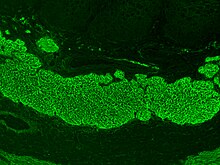
Bread. Cereal. Oatmeal. Tortialls. Chips. Candy. Sound like good things to eat? Well, they are. But for someone who has Celiac Disease, these products are damaging to the body. Awareness for this disorder is growing substantially and more gluten-free products along with restruant menues are being introduced. How do gluten-free families survive without grains like wheat? Why do people vulenterrially choose to abstain from gluten? Can gluten-free bread actually taste GOOD?
But don't worry, this 'disease' is an immunilogical disorder and is not contagious, however it is becoming a very prevalent gene difficency.
 |
| Fig 1 |
What is gluten, anyway?
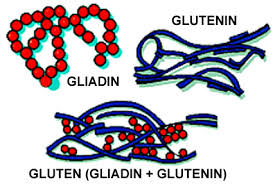
Gluten a given name for the family of storage proteins found mature seeds of grain suchy as wheat, barley, and rye. This protein structure is a combination of Gliadin and Glutenin strings.
Which grains don't have gluten?
Even though the term "gluten" is used to refer to rice (e.g., glutinous rice), rice protein is not actually a gluten so it may be eaten in a gluten-free diet. Also, oats naturally do not conatin the protien either, although they're almost always cross-contaminated with wheat gluten due to processing methods. As a result, unless an oat-containing product is specifically labeled "gluten-free," one should assume it contains gluten.
What happens if gluten enters the body?
 |
| Fig 2 |
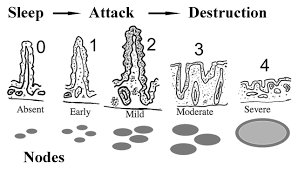
When a person with Celiac Disease eats, for example, a peice of pizza (or any food item containing gluten), the nutriens from the gluten protien is not digested as it is supposed to. An inflammatory reaction shortens the villious atrophy lining in the small intestines. This lining is responsible for the capturing of nutrience, so with the rounding and shortening of these filliments, the body is not able to capture all the nutrience out of a given meal. The damage to the villous atrophy is not perminant; they will heal themselves soon and be able to catch the needed nutrience from the other foods. However, if gluten repeatedly enters the body, the atrophy continue to be shortened and are not given a chance to heal, in result can make a person very sick and weak from lack of nurishment.
 |
| Fig 3 |
 |
| Fig 4 |
Other effects
Symptoms of Celiac Disease may include diarrhea, vomiting, bloating, weight loss, anemia, bone pain, chronic fatigue, wekness, various nutritional defiecencies, muscle cramps, and, in chidlrn, failure to thrive. Celiac patients are also more likely to develope other autoimmune diseases. Not all of these signs will show consistantly in every Celiac pateint. Sometimes, the body won't react in extreeme ways (such as diarrhea), so one may have the disease without having any hint of it while the villious atrophy are constanly being shortnened, robbing the individual of nutrition and therefore energy. Many children have symptoms like those to ADHD and other.
Diagnosis
There are specialists in this feild that may use a few different methods and tests to determine weather or not one has Celiac. This condition is thought to effect 1 in every 133 Americans, or more than two million people but only 200,000 have been diagnosed so far. If one has a first-degree relative with the disease, he or she has a 1 in 22 chance of developing it themselves.
 |
| Fig 5 |
Serological blood test
A pateint should be eating some gluten about a week prior to the blood test because the doctors will look for high levels of a special autoantibodies called anti-tissue transstransglutaminase anibodies (tTGA) or anti-endomysium antibodies (EMA). These autoanibody proteins react agianst the own body's tissues and cells.
 |
| Fig 6 |
Internal Biopsy
If blood tests suggest Celiac, a biopsy may be completed to confirm it. A tube is inserted through the mouth and stomach into the small intestine then tools passed through the endoscope are used to obtain a small piece of the intestinal tissue. The sample is then tested for damaged villi to confirm a diagnosis.
Dermatitis Herpetiformis
Dermatitis Herpetiformis is an extreemly ichy and blistering skin rash that affects 15 to 25 percent of people with Celiac Disease. The rash usually occurs on the elbows, knees, and buttocks. Most people with DH have no digestive sympotms of Celiac Disease. This is diagnosed through blood tests and a skin biopsy.
Other health problems
People with Celiac tend to have other health problems as well. These diseases may be genetic.
- type 1 diabetes
- autoimmune thyroid disease
- autoimmune liver disease
- rheumatoid arthritis
- addison's disease (glands that produce critical hormones are damaged)
- sjogren's syndrom (glands that produce tears and saliva are destroyed)
Elimination Diets
Sometimes elimination diets can be tried before searching for professional help; doctors sometimes completely mistake Celiac Disease for other medical issues or simply jump to the conclusion that anti-biotics are always the solution. Showing up at an office with a general idea of what causes discomfort can greatly help diagnosis rather than a general statement of 'I don't feel well.'
What's for dinner?
 |
| Fig 7 |
So if wheat is taken out of a diet, how will a person ever survive? Luckily for Celiac patients, more and more people are becoming aware of the disease and increasing amounts of gluten-free products continue to be released on the market. Breads (Udi's brand), cereal (Chex), treats (cookies and oreos) and more are popular products and have a nice taste. Best of all, they won't make some people sick. This market is expected to hit 4.2 billion this year, and 6.6 billion in 2017. People are buying more gluten-free products, from 15 percent in October 2010 to 18 percent in August 2012.
 |
| Fig 8 |
Not anyone can just slap a label on the boxes now and claim it's gluten-free. The Food Allergen Labeling and Consumer Protection Act (FALCPA) took effect on January 1, 2006 and requires food labels to clearly identify wheat and other common food allergens in the list of ingredients. FALCPA also mandates that the U.S. Food and Drug Administration to develop and finalize rules for the term "gluten free" on product labels. Also, knowing what to search for in the ingredeints can help determine weather or not a Celiac can eat it. For example, carmel coloring usually contains gluten. Searching for a "processed with" section can also be helpful. If wheat, rye, barely and even oats are listed, the item will not be a good bet.
Resturants are also becoming more aware and are adjusting their menues and methods to be able to serve gluten-free food. Darin Alpert is a cheif operating officer of a moble app titled, Find Me Gluten Free. He said, "Gluten-free consumers typically dictate where their [group is] going to eat. They have veto power. So when someone is searching on our app, it really is a pretty powerful market to get to, especially for advertisers. You're not just getting the gluten-free customers, you're getting their friends and family."
People with Celiac should be cautious when ordering at a resturant, however. Places like Texas Rodehouse were forced to abandon the gluten-free menu because they couldn't garentee the absense of the protien in their food and were even being sued when a costamer got sick. Researching blogs, asking friends, checking resturant websites and even asking a waiter extensively about the qualifications of the food are necesary requirements. Places may be fine to eat at even if they do not have a gluten-free menue because of the preparation lines. Wendy's Chili, frosty, and side salad are absolutely safe for a Celiac to eat, and so is the plate of BaJa Fresh side beans (with no toppings, of course.)
 |
| Fig 9 |
In addition to buying food and going to resturants, there are many cookbooks and recipes out on the market both in print and online. Alternitave flowers such as rice, millet, teff, xanthan gum and buckwheat may be consumed without causing an allergic reaction. The gluten-free diet should be supplimented with lots of vegitables and meat to satisfyingly fill a belly. When cooking, however, it is importaint to have clean - meaning new or non-conaminated - pans and utincles. Cast iorn and teflon pans, cutting boards, and wooden utensils must be thrown out and replaced; even small amounts of gluten that cannot be seen hiding in crevices can make a person sick no matter how good the cooking is. If a person does not react severly or even at all to the trace amounts, internal damage is still being done so it is important that ingredients not be contaminated.
 |
| Fig 10 |
Voluntarily?
Why would anyone choose to abstain from gluten without a disease that demands it? There are many other proposed benefits to going gluten-free, from weight loss to increased energy to improved digestion to cleared skin conditions. In addition, studies suggest that a gluten- free diet may have a therapeutic effect on children with autism.
Social Issues
A good number of celiacs are diagnosed in their early teen years, greatly effecting their activities. For those who have not had to live with their disease since a young age, changing diets can be frustrating. Support sytems for any age group are necesary, and should consist of family and friends. Going on trips are difficlt, and unless the cooks are educated on the issue and keep the food clean, packing thier own meals is always an option. Peanut-butter sandwiches, certain brands of granola bars, and fruits such as apples and banannas are good travel-food. The teen must take - here's the words they hate - responsibility. Yes, responsibility for themselves is the greatest element to keeping themselves healthy. This element of responsibility and caution applies to anyone who is diagnosed.
Wrapping it up
Contrary to what others might think, this is not the end of the world. In some ways it is empowering for anyone. Responsibility, logic, and cooking skills arise. Also, their bodies may be extremely healthy no matter what condition they started in. Sports, socialization, health, trips and education are still accomplished even with a bump in the road.
 |
| Fig 11 |